QCT Charlotte Pilgrimage Toursm Juneteenth 2025 Travel Article

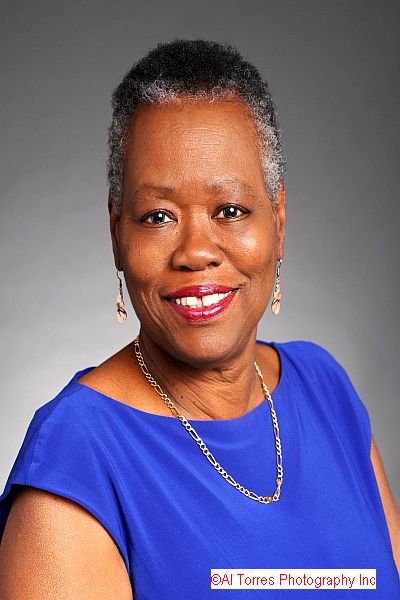
 Ms. Johnson -
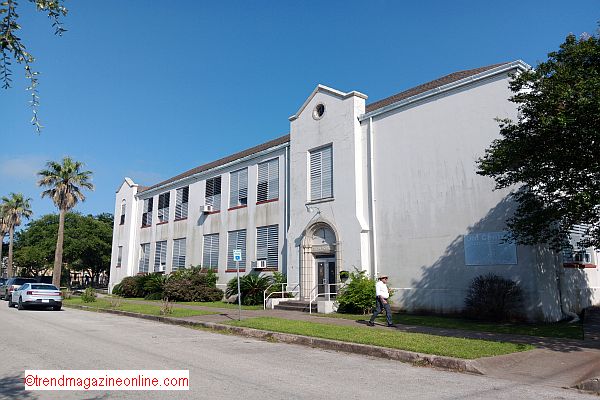
Returning to Galveston as a young adult, I was struck by the efforts
to preserve Central High School, the oldest Black high school in
Texas [1885/86]. At the same time, many landmarks important to the Black community were being demolished. Witnessing this
loss motivated me to dedicate myself to preserving African American history in any way I could.
Ms. Johnson -
Returning to Galveston as a young adult, I was struck by the efforts
to preserve Central High School, the oldest Black high school in
Texas [1885/86]. At the same time, many landmarks important to the Black community were being demolished. Witnessing this
loss motivated me to dedicate myself to preserving African American history in any way I could.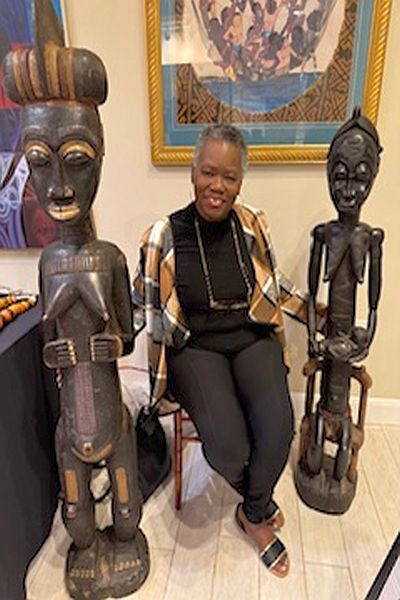 Jay - Before
you founded the Nia Cultural Center, was there a turning point or
influence in your life that first stirred you toward community
activism and cultural preservation?
Jay - Before
you founded the Nia Cultural Center, was there a turning point or
influence in your life that first stirred you toward community
activism and cultural preservation?
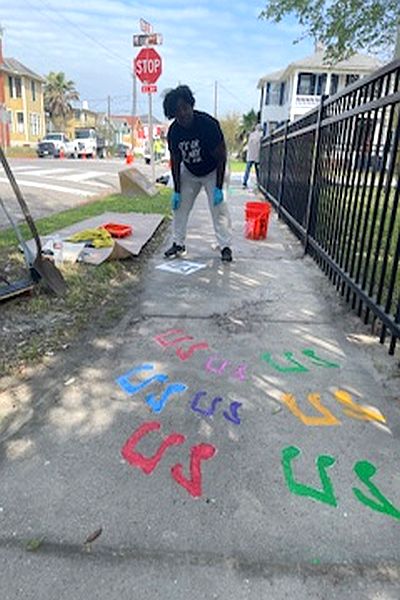
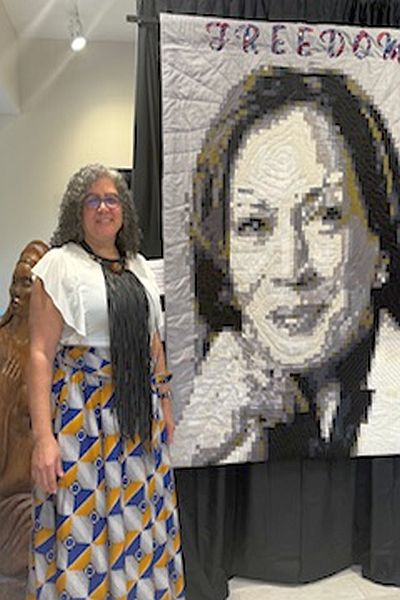 Ms. Johnson - My journey into community activism truly began when I discovered
the SHAPE Community Center in Houston in 1980. There, I learned
about African heritage before slavery and participated
in celebrations
like Kwanzaa
and the
Pan African
Festival. This
experience instilled
in me a deep pride in our culture, and I wanted to bring that sense
of pride and historical understanding back to my own community in
Galveston.
Ms. Johnson - My journey into community activism truly began when I discovered
the SHAPE Community Center in Houston in 1980. There, I learned
about African heritage before slavery and participated
in celebrations
like Kwanzaa
and the
Pan African
Festival. This
experience instilled
in me a deep pride in our culture, and I wanted to bring that sense
of pride and historical understanding back to my own community in
Galveston.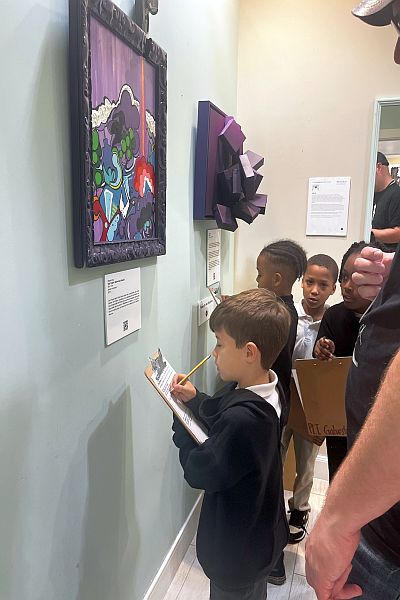 Jay - In
1992, you founded Nia Cultural Center to address youth violence and
high rates of Black youth entering the juvenile justice system.
What vision guided you, and why did you choose “Nia” –
meaning “purpose” – as the name and guiding
principle?
Jay - In
1992, you founded Nia Cultural Center to address youth violence and
high rates of Black youth entering the juvenile justice system.
What vision guided you, and why did you choose “Nia” –
meaning “purpose” – as the name and guiding
principle?
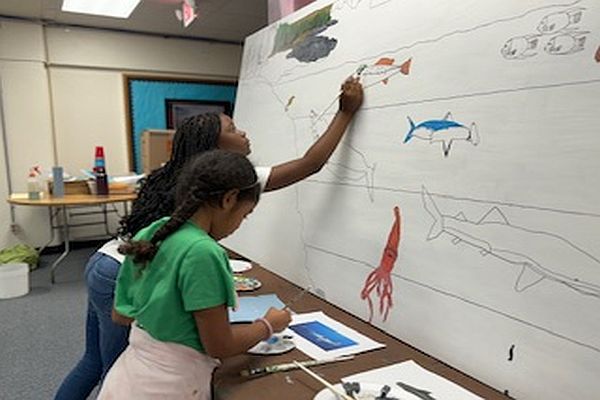 Ms. Johnson - The founding vision for Nia Cultural Center was shaped by the
troubling headlines of youth violence and the high number of Black
youth entering the juvenile justice system in the early 1990s.
Seeing teenagers with disabilities from violence, especially in
housing projects, deeply affected me. I chose the name "Nia,"
which means "purpose" in Swahili and is the seventh
principle of Kwanzaa, to emphasize intentional action in developing
young Black leaders. Our programs
have since
included Rites
of Passage
for girls,
family empowerment,
and the
Freedom School, focusing on literacy, advocacy, and community
engagement.
Ms. Johnson - The founding vision for Nia Cultural Center was shaped by the
troubling headlines of youth violence and the high number of Black
youth entering the juvenile justice system in the early 1990s.
Seeing teenagers with disabilities from violence, especially in
housing projects, deeply affected me. I chose the name "Nia,"
which means "purpose" in Swahili and is the seventh
principle of Kwanzaa, to emphasize intentional action in developing
young Black leaders. Our programs
have since
included Rites
of Passage
for girls,
family empowerment,
and the
Freedom School, focusing on literacy, advocacy, and community
engagement. Jay - Launching
a community initiative from scratch is challenging. Can you take us
back to those early days of Nia? What obstacles did you face early
on, and was there a moment that made you feel you were on the right
path?
Jay - Launching
a community initiative from scratch is challenging. Can you take us
back to those early days of Nia? What obstacles did you face early
on, and was there a moment that made you feel you were on the right
path?
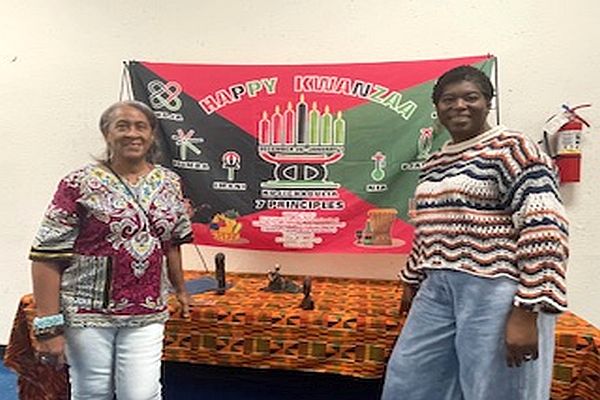 Ms. Johnson - One of
the biggest
challenges in
Nia’s early
days was
encouraging the
community to
embrace and value their own history and culture. It took
years to overcome the misconception that celebrating Kwanzaa meant
rejecting Christmas. I knew we were making progress when our events
became standing-room only, African attire became more common, and
even churches dedicated Sundays to celebrating African heritage.
Ms. Johnson - One of
the biggest
challenges in
Nia’s early
days was
encouraging the
community to
embrace and value their own history and culture. It took
years to overcome the misconception that celebrating Kwanzaa meant
rejecting Christmas. I knew we were making progress when our events
became standing-room only, African attire became more common, and
even churches dedicated Sundays to celebrating African heritage.
 Jay - Nia’s
early programs in the 1990s – such as the Family
Strengthening and Empowerment initiative with its Girls Rites of
Passage mentorship – broke new ground. How did these programs
affect the participants, and what lessons from those efforts have
guided your later initiatives?
Jay - Nia’s
early programs in the 1990s – such as the Family
Strengthening and Empowerment initiative with its Girls Rites of
Passage mentorship – broke new ground. How did these programs
affect the participants, and what lessons from those efforts have
guided your later initiatives?
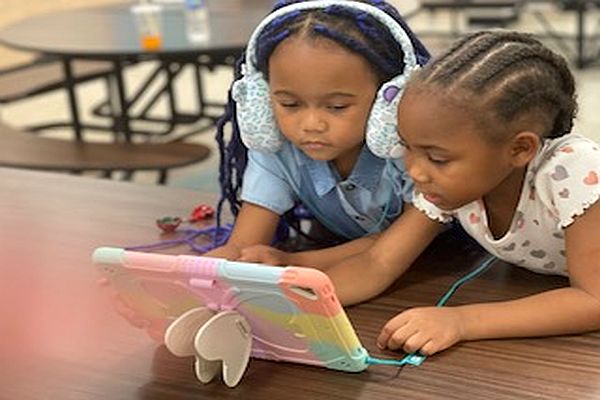
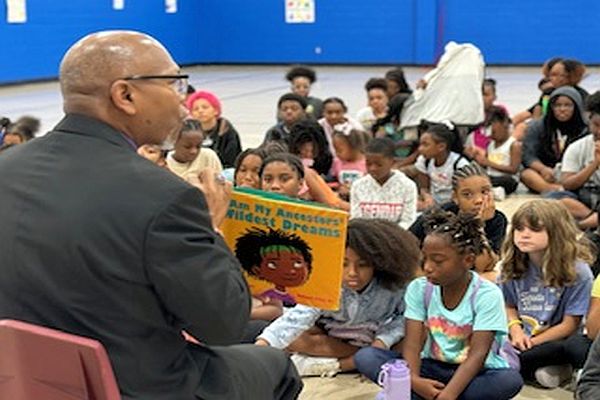
 Ms. Johnson - I often hear from former participants who now have children of
their own. They express gratitude for learning about their heritage
and history. Many of our current Freedom School scholars
are the
children of
those early
program participants,
showing the
lasting impact
of our work
across generations.
Ms. Johnson - I often hear from former participants who now have children of
their own. They express gratitude for learning about their heritage
and history. Many of our current Freedom School scholars
are the
children of
those early
program participants,
showing the
lasting impact
of our work
across generations. Jay - A
few years into Nia’s journey, you joined
a “Freedom Tour” across several states retracing the
Civil Rights Movement. What inspired that journey, and what were
some of the most powerful moments you and your students
experienced?
Jay - A
few years into Nia’s journey, you joined
a “Freedom Tour” across several states retracing the
Civil Rights Movement. What inspired that journey, and what were
some of the most powerful moments you and your students
experienced?
 Ms. Johnson - While Nia Cultural Center did not organize the
Freedom Tour, we were invited by SHAPE Community Center to join
their annual journeys retracing the Civil Rights Movement. Over 14
years, including as recently as 2024, 165 youth participated. A
particularly memorable moment was
visiting Beaufort,
South Carolina,
a predominantly
Black community
with Black
leadership across local
government. This
showed our
youth that
they could
aspire to
be leaders
and contributors in their own communities.
Ms. Johnson - While Nia Cultural Center did not organize the
Freedom Tour, we were invited by SHAPE Community Center to join
their annual journeys retracing the Civil Rights Movement. Over 14
years, including as recently as 2024, 165 youth participated. A
particularly memorable moment was
visiting Beaufort,
South Carolina,
a predominantly
Black community
with Black
leadership across local
government. This
showed our
youth that
they could
aspire to
be leaders
and contributors in their own communities.
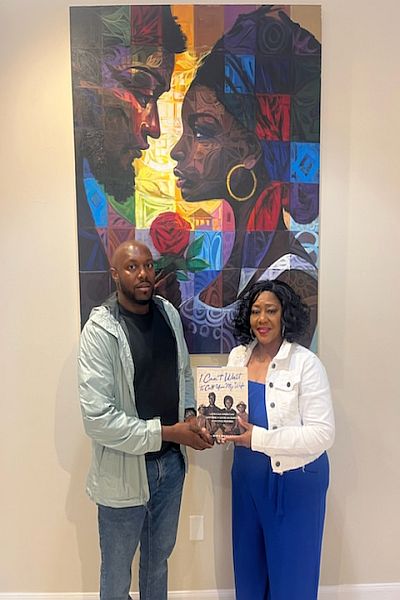
 Ms. Johnson - Collaboration is
essential in
addressing racial
disparities. Working
with partners
brings diverse
perspectives, builds trust, and leads to more sustainable outcomes.
Over the years, these partnerships have expanded our reach and
brought more volunteers and resources to our initiatives, while we
also support their aligned efforts.
Ms. Johnson - Collaboration is
essential in
addressing racial
disparities. Working
with partners
brings diverse
perspectives, builds trust, and leads to more sustainable outcomes.
Over the years, these partnerships have expanded our reach and
brought more volunteers and resources to our initiatives, while we
also support their aligned efforts.
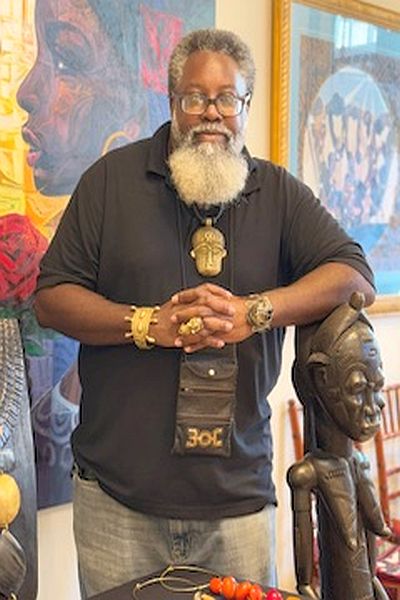 Jay - You
even launched a Freedom School program at Nia, immersing kids in
their heritage, and Clint Smith’s book How
the Word Is Passed
highlighted your students’ Juneteenth presentation, where
young scholars narrated the history leading up to Juneteenth. How
did it feel to see youth take the lead in teaching their own
history, and what does that say about the power of young people in
preserving the past?
Jay - You
even launched a Freedom School program at Nia, immersing kids in
their heritage, and Clint Smith’s book How
the Word Is Passed
highlighted your students’ Juneteenth presentation, where
young scholars narrated the history leading up to Juneteenth. How
did it feel to see youth take the lead in teaching their own
history, and what does that say about the power of young people in
preserving the past?
 Ms. Johnson - I am incredibly proud whenever our youth take
the lead in teaching their own history. At Freedom School, our young
leaders have organized teach-ins, marches, rallies, and advocacy
campaigns on
issues like
voting, community
violence, hunger,
environmental justice,
and gun control.
The program, rooted in the legacy of the Civil Rights Movement, has
inspired participants to
pursue careers
in social
justice, including
one former
scholar who
is now
a law student and
will direct our Freedom School this summer.
Ms. Johnson - I am incredibly proud whenever our youth take
the lead in teaching their own history. At Freedom School, our young
leaders have organized teach-ins, marches, rallies, and advocacy
campaigns on
issues like
voting, community
violence, hunger,
environmental justice,
and gun control.
The program, rooted in the legacy of the Civil Rights Movement, has
inspired participants to
pursue careers
in social
justice, including
one former
scholar who
is now
a law student and
will direct our Freedom School this summer.
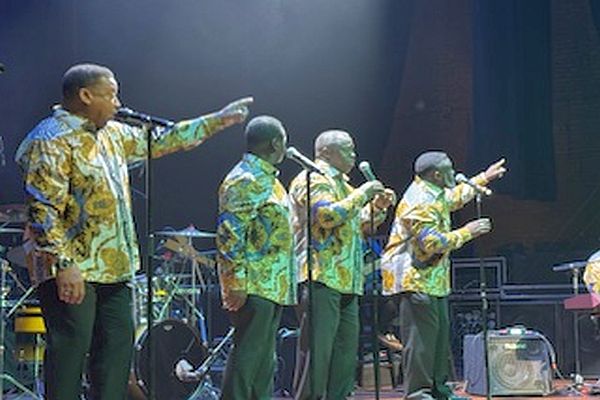 Jay - Galveston
had celebrated Juneteenth for generations before it became a federal
holiday in 2021. What did that milestone mean to you personally, and
have you seen a change in how people engage with Juneteenth since it
gained national recognition?
Jay - Galveston
had celebrated Juneteenth for generations before it became a federal
holiday in 2021. What did that milestone mean to you personally, and
have you seen a change in how people engage with Juneteenth since it
gained national recognition?
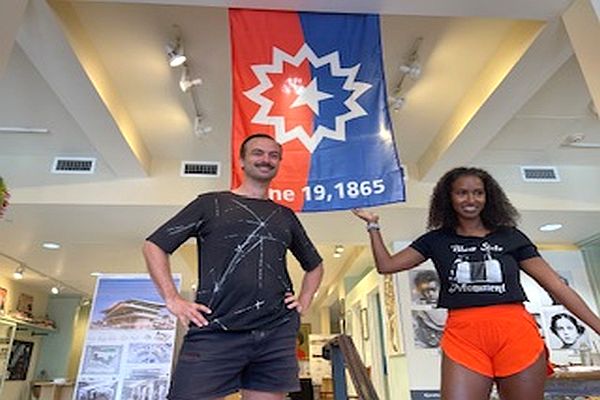
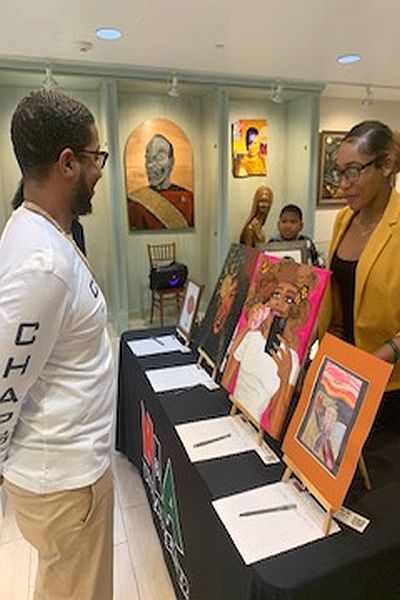 Ms. Johnson - The federal recognition of Juneteenth was especially meaningful,
as the Nia Cultural Center’s Juneteenth Legacy Headquarters
opened just days before the legislation passed. Located at the
historic site where General Granger read the order freeing enslaved
Texans, the center has attracted thousands of
visitors, national media, and organizations. The
number and
diversity of Juneteenth
celebrations have
grown dramatically,
revealing how
many people
were unaware
of the holiday before 2021.
Ms. Johnson - The federal recognition of Juneteenth was especially meaningful,
as the Nia Cultural Center’s Juneteenth Legacy Headquarters
opened just days before the legislation passed. Located at the
historic site where General Granger read the order freeing enslaved
Texans, the center has attracted thousands of
visitors, national media, and organizations. The
number and
diversity of Juneteenth
celebrations have
grown dramatically,
revealing how
many people
were unaware
of the holiday before 2021.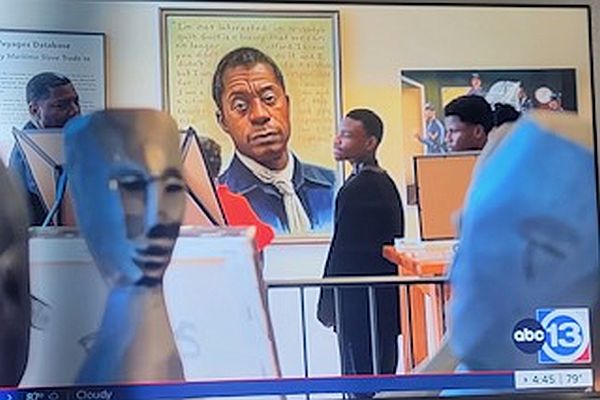 Jay - Around
that same time, Galveston opened the Juneteenth Legacy Project
Headquarters – a museum and art gallery – with Nia at
its heart. What has it been like helping create this space that
tells the Juneteenth story on the very soil where it happened, and
can you share any experience of how visitors are connecting with
history through this project?
Jay - Around
that same time, Galveston opened the Juneteenth Legacy Project
Headquarters – a museum and art gallery – with Nia at
its heart. What has it been like helping create this space that
tells the Juneteenth story on the very soil where it happened, and
can you share any experience of how visitors are connecting with
history through this project?
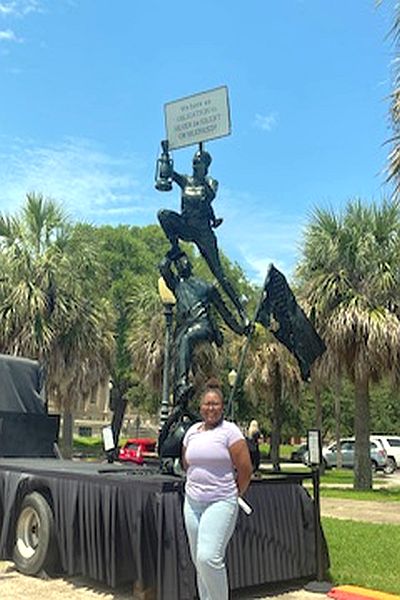
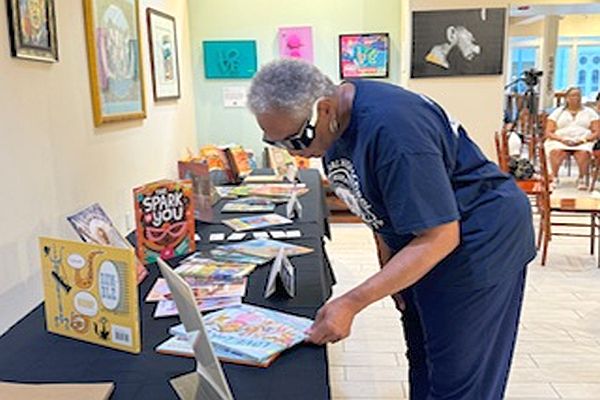
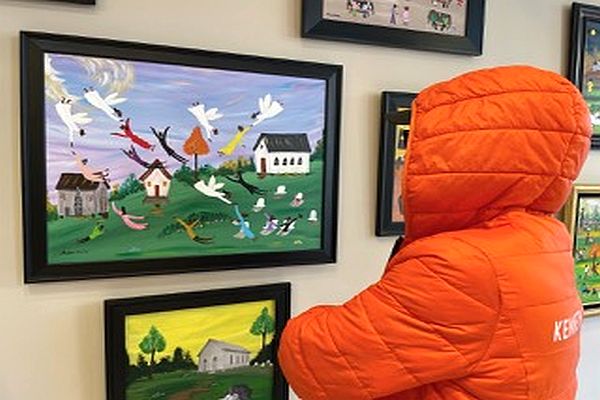
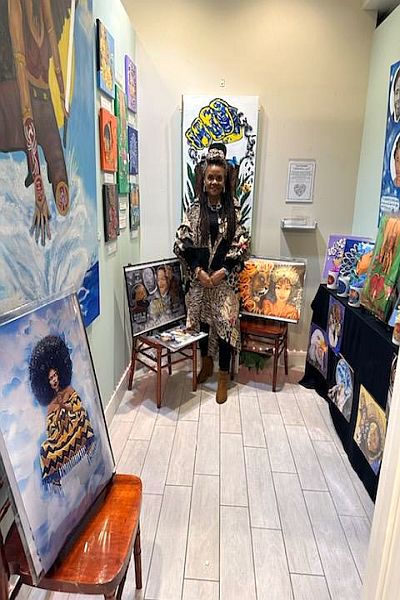
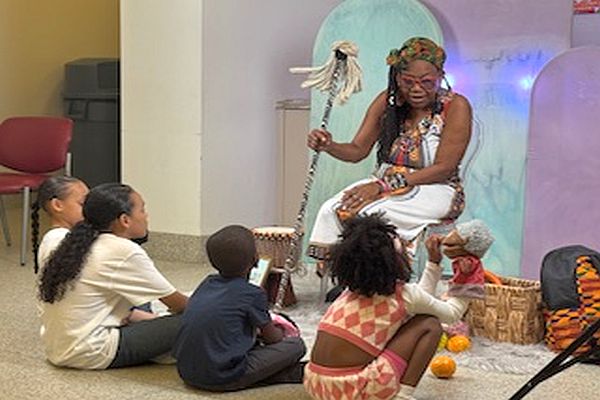 Ms. Johnson - Helping
establish the
Juneteenth Legacy
Project Headquarters
has been
transformative. The
center, along with
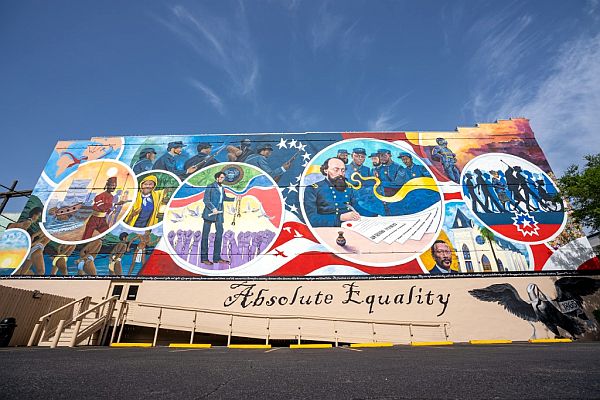
the mural
and historical
markers, sits
at a
site of
deep significance—near
where slave
ships docked and
the largest
slave auction
in Texas
took place. It
has become a
powerful space for education and reflection.
Ms. Johnson - Helping
establish the
Juneteenth Legacy
Project Headquarters
has been
transformative. The
center, along with
the mural
and historical
markers, sits
at a
site of
deep significance—near
where slave
ships docked and
the largest
slave auction
in Texas
took place. It
has become a
powerful space for education and reflection.

 Ms. Johnson - We are currently developing an initiative to create immersive
experiences that tell the story of Galveston’s Black history,
using an intergenerational cast. Much of this history has been
forgotten or
erased, and
through this
project, we
aim to
revitalize and
share a
fuller narrative
of the people and events that shaped Galveston.
Ms. Johnson - We are currently developing an initiative to create immersive
experiences that tell the story of Galveston’s Black history,
using an intergenerational cast. Much of this history has been
forgotten or
erased, and
through this
project, we
aim to
revitalize and
share a
fuller narrative
of the people and events that shaped Galveston.

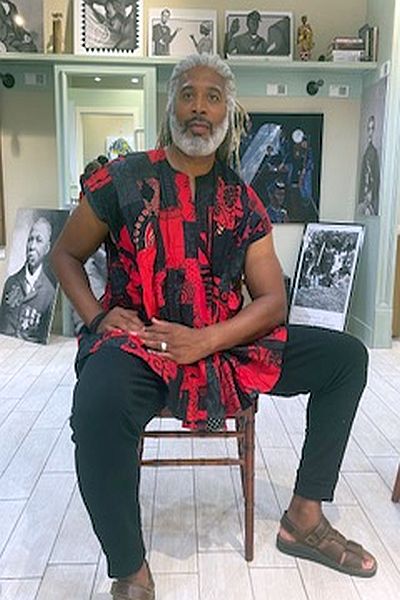 Ms. Johnson - My hope is for Nia Cultural Center to continue
growing and expanding opportunities to showcase
the creativity,
resilience, and
intelligence of
African Americans
in Galveston.
I want our work to foster greater understanding and respect for our
community’s journey and contributions.
For future
cultural leaders,
I encourage
them to
remain committed
to preserving
history, fostering unity, and working together to prevent the
mistakes of the past.
Ms. Johnson - My hope is for Nia Cultural Center to continue
growing and expanding opportunities to showcase
the creativity,
resilience, and
intelligence of
African Americans
in Galveston.
I want our work to foster greater understanding and respect for our
community’s journey and contributions.
For future
cultural leaders,
I encourage
them to
remain committed
to preserving
history, fostering unity, and working together to prevent the
mistakes of the past.
Home
About
Contact
^^^Back to Top
Join our email
list or Like Us on
Facebook! to be notified of updates!




Share This!:
Contact us if you would like your travel-related site or yourself to be featured in an upcoming edition of Trend Magazine Online™.